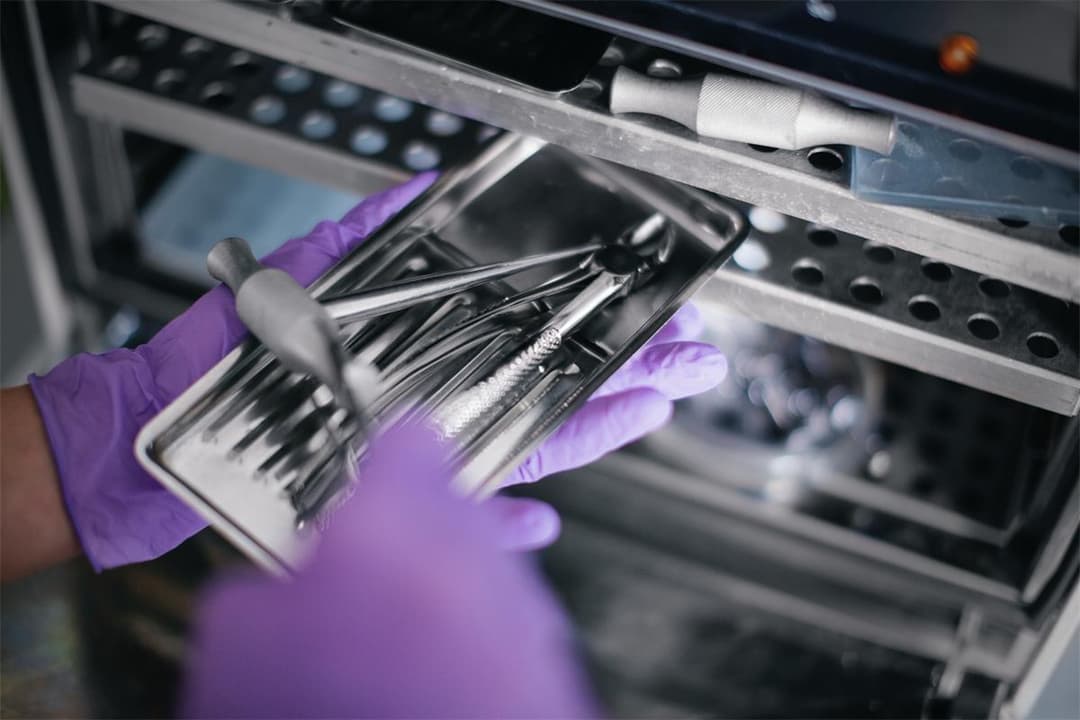
Wet Pack Prevention & Sterilization Best Practices (0.5 CE)
Identify the causes of wet packs and learn how to prevent sterilization failures and contamination risks.
 NURSE.ORG RECOGNITION — CerTracker Named Best Nursing AI ToolRecognized for innovation in helping nurses & healthcare teams stay compliant.See Why We Won →
Sterile Processing
Master the full lifecycle of surgical instruments—from decontamination to sterilization—with evidence-based CE courses while CerTracker automatically tracks your certifications, competencies, and compliance.
Explore Courses
Our no-cost online courses and webinars offer flexible, on-demand training for every member of your Sterile Processing Department. Many courses are approved for continuing education credits by the CBSPD and HSPA, ensuring alignment with recognized professional standards.
$9.8B
$9.8B is spent annually treating top healthcare-associated infections, many linked to surgical site infections (SSIs).
3–12 mo
3–12 months is the average time required to train SPD technicians.
13–21.9%
Up to 21.9% of opened surgical instruments go unused highlighting inefficiencies in processing workflows.
Education and Training
Identify the causes of wet packs and learn how to prevent sterilization failures and contamination risks.

Master best practices for decontamination, handling, and accountability across the instrument lifecycle.
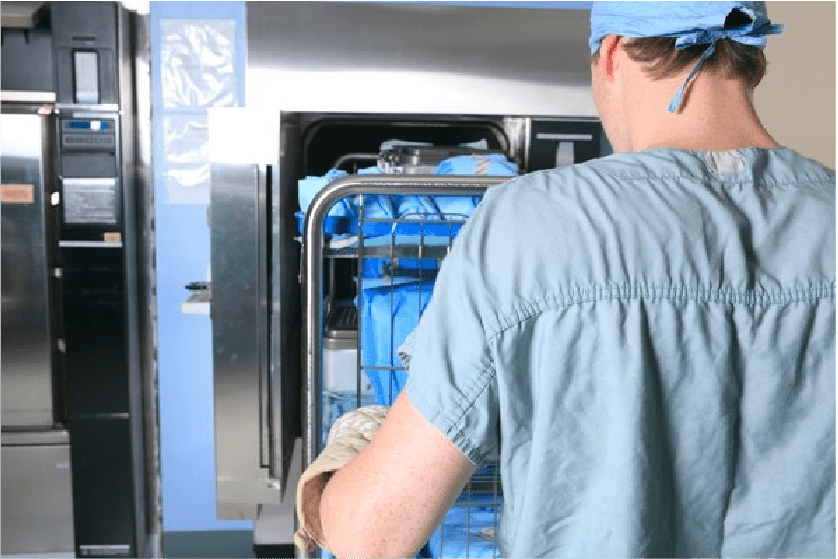
Understand the SPD role in preventing surgical site infections through proper preparation and inspection.

Improve accountability and reduce risk with standardized loaner instrument workflows.
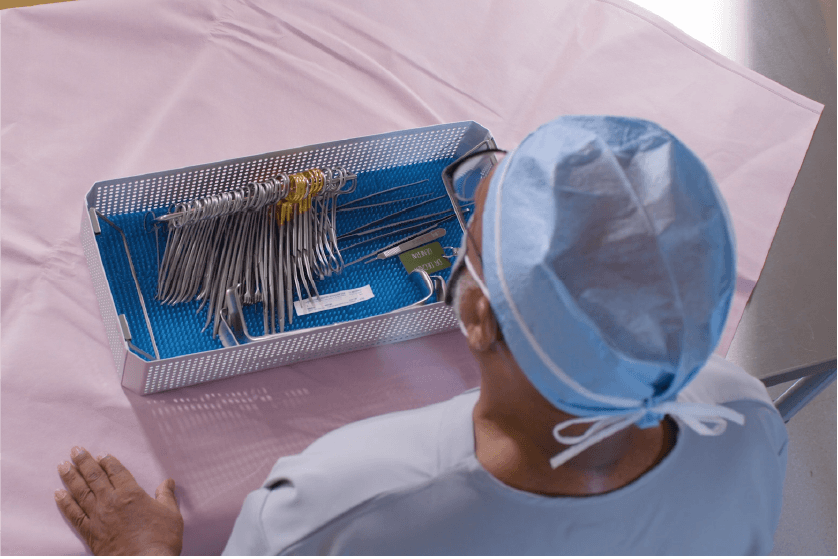
Prepare your department to respond effectively to sterilization recalls and ensure patient safety.
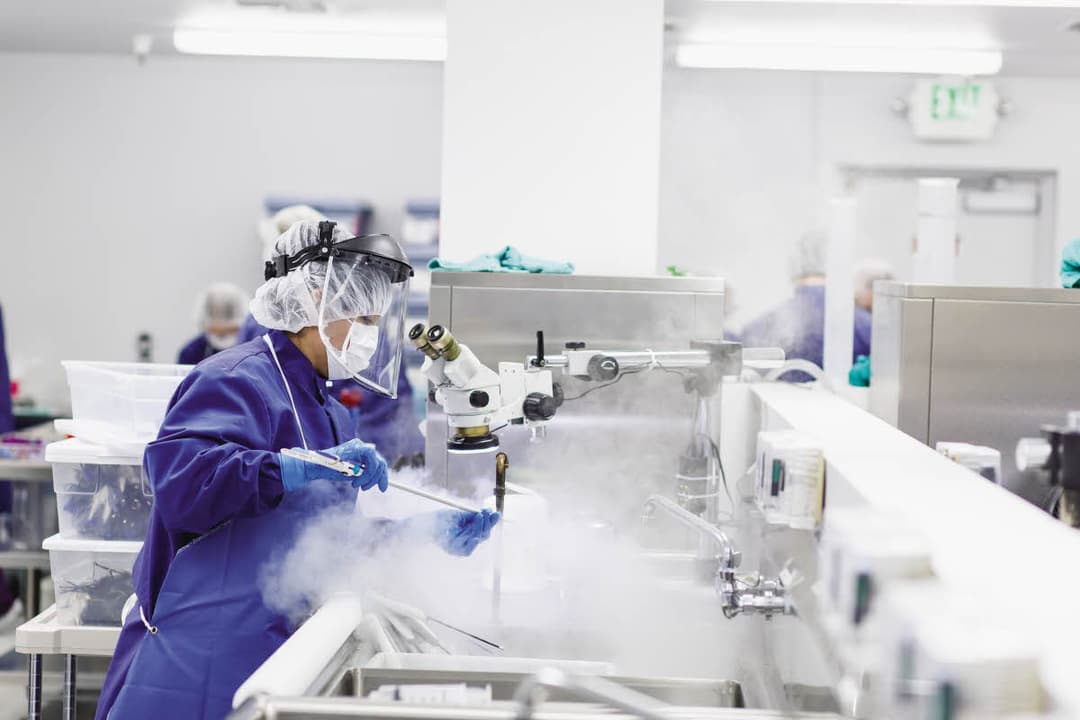
Learn the four types of sterilizer testing and how to maintain consistent sterilization performance.
Best Practice Guidance
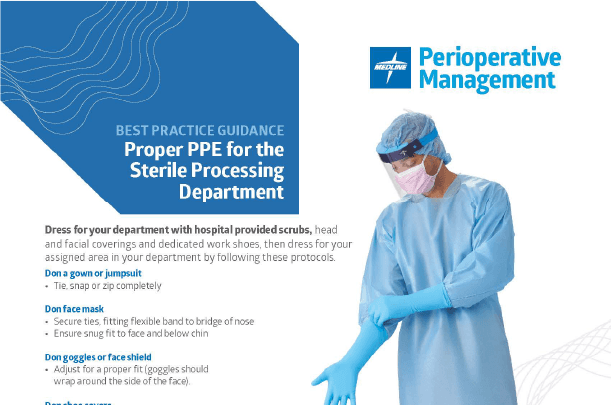
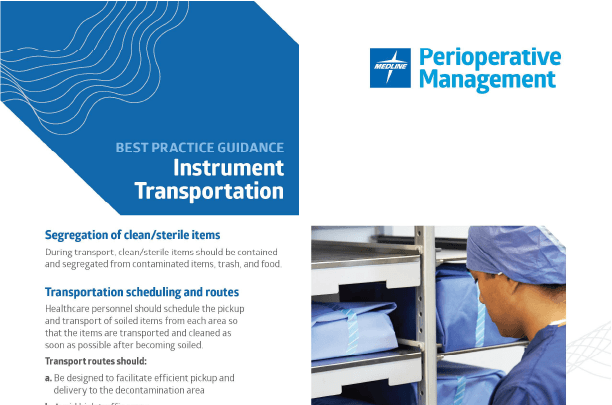
Case Studies and Clinical Evidence
Explore our sterile processing course library to find training that fits your role and help support safe, efficient surgical care — at no cost to you.
Browse All Courses